Rubbish collection near Southbank Centre Waterloo what to know
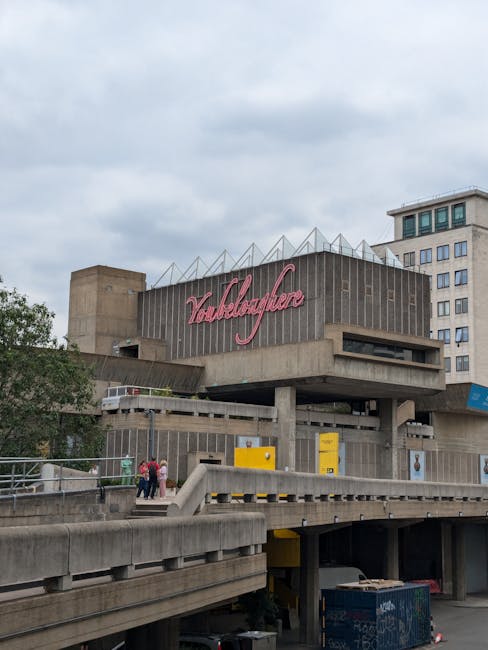
If you are trying to sort out rubbish collection near Southbank Centre Waterloo what to know, you are probably dealing with one of those awkward London jobs that looks simple until you start moving bags, checking access, and wondering where everything can legally go. A few black sacks, an old chair, some renovation offcuts, maybe a broken appliance - suddenly the whole thing needs a plan.
That is especially true around Waterloo. It is busy, tightly packed, and very much a place where timing matters. Lifts, loading bays, shared entrances, traffic, event crowds, and narrow streets can all make rubbish collection a little more complicated than it first appears. The good news? Once you understand the basic process, it gets much easier to choose the right service, avoid mistakes, and keep the job moving without stress.
This guide walks through how rubbish collection works in the Southbank Centre and Waterloo area, what to expect, what to ask, and how to decide whether you need a simple collection, a full waste removal service, or something more specialist. We will keep it practical and plain-English. No fluff. Just the stuff you actually need to know.
Why rubbish collection near Southbank Centre Waterloo matters
Rubbish collection in this part of London is not just about getting rid of waste. It is about fitting removal into a busy, high-footfall area without causing delays, mess, or unnecessary hassle. Around Southbank Centre, Waterloo Station, and the surrounding streets, access can be the deciding factor. The same goes for flats, galleries, offices, venues, and hospitality spaces nearby.
When rubbish is left too long, it becomes more than an eyesore. It can block hallways, create odours, attract pests, and make a property feel untidy or unsafe. For businesses, that can affect customer experience. For residents, it can make daily life annoyingly cramped. And let's face it, nobody enjoys stepping around a pile of packaging just to get to the kettle.
Another reason this matters is that waste in central London often needs sorting with a bit more care. Mixed rubbish, bulky items, recyclable materials, and anything potentially hazardous need to be separated sensibly. If you are dealing with flat clearance, leftover furniture, or building debris, choosing the right service can save a lot of back-and-forth later.
If your rubbish includes specialist items, it is worth looking at dedicated options such as mattress and sofa disposal, fridge and appliance removal, or hazardous waste disposal. Those categories are easy to underestimate, and that is where people often trip up.
Expert summary: In Waterloo, the best rubbish collection is usually the one that is planned around access, item type, and timing - not just the one that promises to turn up fastest.
How rubbish collection near Southbank Centre Waterloo what to know works
Most rubbish collection services follow a fairly simple pattern. You tell the provider what needs removing, they assess the volume and type of waste, and then they arrange a collection window. In practice, though, the details matter. One staircase, one tight lift, or one awkward parking spot can change how long the job takes and what crew size is needed.
Here is how it usually works in a real-world setting:
- Describe the rubbish clearly. Say what you have, how much there is, and whether any items are unusually heavy, sharp, fragile, or restricted.
- Check access. Mention stairs, lifts, loading access, parking limitations, narrow entrances, or time restrictions.
- Get a quote or estimate. A proper provider will usually base this on volume, labour, disposal type, and collection complexity.
- Prepare the waste. Bag loose rubbish, separate recyclables if practical, and keep walkways clear.
- Collection and loading. The team removes the rubbish, often with sorting on-site if needed.
- Responsible disposal. Waste is taken for reuse, recycling, or disposal according to its type.
It sounds straightforward because, mostly, it is. The tricky part is matching the service to the actual job. A few bin bags are very different from a second-hand wardrobe, a dismantled bed frame, and a bag of builders' rubble. You would be amazed how often those things get described as "just some rubbish".
For larger domestic clearances, services like home clearance or house clearance may fit better than a one-off ad hoc pickup. For business premises, business waste removal or office clearance can be a better match because they are built around practical collection and disposal needs.
If the job involves a lot of mixed material or renovation debris, it may overlap with builders waste clearance. If you are clearing a smaller space, flat clearance is often the more direct route. Simple enough, but important.
Key benefits and practical advantages
The most obvious benefit is obvious: you get rid of waste without doing all the hauling yourself. But there are a few other advantages people often notice only after the job is done.
- Less disruption. A proper collection reduces the time rubbish sits around in your home, office, or building.
- Better use of time. Instead of hiring a van, making repeated trips, or trying to guess disposal rules, you hand the problem over.
- Safer handling. Bulky items, sharp edges, heavy appliances, and dusty debris are easier to manage with the right crew.
- Cleaner finish. Professional collection usually leaves the area tidier than a rushed DIY clear-out.
- Improved recycling outcomes. A good service will separate reusable and recyclable materials where possible.
There is also a quieter benefit: peace of mind. Once the items are gone, a room starts to feel usable again. You notice the floor space. You notice the light. Even the air can feel a bit fresher, especially if the rubbish had been sitting there for a while.
That matters whether you are clearing a rental flat before a move, making room in a storage-heavy office, or dealing with post-event waste. Nobody wants a beautiful local space near the South Bank to become a dumping ground for old furniture and packaging.
For people who are comparing options, it can help to look at whether the provider also offers furniture clearance, furniture disposal, or recycling and sustainability commitments. Those extra services often reveal how well organised the operation really is.
Who this is for and when it makes sense
Rubbish collection near Southbank Centre Waterloo makes sense for a fairly wide mix of people. Some are in the middle of a move. Some are dealing with leftover junk after a renovation. Others simply need a one-time clean-up because the place has got cluttered over time. That happens. More often than people admit.
Typical situations include:
- Residents clearing out a flat, studio, or shared home
- Landlords preparing a property between tenancies
- Offices removing desks, chairs, files, or old equipment
- Shops or venues dealing with packaging, display items, or back-room clutter
- Homeowners clearing lofts, garages, or storage spaces
- People replacing furniture and needing the old pieces taken away
- Anyone with bulky items that will not fit in regular council bins
It also makes sense when timing is tight. Maybe a handover is coming up. Maybe building work is starting Monday. Maybe you just want the rubbish gone before guests arrive and you are not in the mood to play hide-the-black-bags before lunch.
In some cases, a more specific service is the smarter choice. A cluttered basement might suit garage clearance or loft clearance. A home filled with mixed items could be better handled by home clearance. The key is to match the solution to the actual load, not just the postcode.
Step-by-step guidance
If you want the process to go smoothly, think in terms of preparation rather than just booking a truck and hoping for the best. A little prep saves a lot of faffing later.
1. Sort the waste into rough categories
Start by separating general rubbish, reusable furniture, recyclables, and anything specialist. You do not need to create a museum of bin bags, just enough structure to make the collection straightforward. If you have confidential papers, that is a separate conversation; confidential shredding is the safer route.
2. Identify bulky or awkward items
Anything large, heavy, or awkward should be called out early. Wardrobes, fridges, mattresses, sofas, and appliances need different handling from bagged waste. If there is any doubt, say so. Nobody likes surprises on a staircase.
3. Check building access and collection timing
Waterloo can be busy at the best of times. Morning rush, event traffic, and shared entrances can all affect collection. Tell the provider whether there is lift access, parking nearby, or any time restrictions. If you are in a managed building, ask about building rules too.
4. Ask what is included
Does the quote include loading, labour, disposal, and sweeping up? Are there extra charges for stairs or certain item types? A clear quote avoids that awkward "oh, that'll be more" conversation at the kerb.
5. Prepare the space
Move smaller items together, keep pathways clear, and make sure any fragile items are not buried under heavier waste. It sounds simple, but it makes a big difference on the day. You want the crew lifting, not hunting.
6. Confirm recycling or disposal routes
Responsible rubbish collection should not be a black box. Ask how items will be handled and whether reusable or recyclable materials are separated. If you care about the environmental side - and many people do - this is worth checking.
Expert tips for better results
After enough clearances, a few habits stand out. Small things, really. But they save time and frustration.
- Photograph the load before booking. A few clear photos are often the quickest way to explain the job.
- Measure awkward items. Especially if you are dealing with beds, wardrobes, appliances, or large office furniture.
- Keep mixed waste separate where practical. Cleaner sorting often means easier recycling and fewer delays.
- Be upfront about access. Stairs, no lift, tight hallways, or limited parking all matter.
- Ask about specialist waste early. Hazardous or restricted items are not something to discover on collection day.
A useful little rule: if you would not want to carry the item yourself, say that clearly from the start. It sounds obvious, but it helps the provider give a realistic plan and avoids the old "it's only one item" trap. We have all seen that one item turn into three trips and a sweaty face by 10:30 a.m.
If your job includes waste from a refit or light construction, look at builders waste clearance. If the issue is mainly old seating, beds, or tables, then mattress and sofa disposal or furniture-related services may be the cleaner fit.
Common mistakes to avoid
Most problems with rubbish collection near Southbank Centre Waterloo come from one of a handful of avoidable mistakes. The good news is they are easy to spot once you know what to look for.
- Under-describing the waste. "A few bits" can mean almost anything. Be specific.
- Forgetting access issues. If there are stairs, a lift booking system, or restricted parking, say so early.
- Mixing specialist waste with general rubbish. Fridges, chemicals, and certain electrical items need care.
- Assuming all services do the same thing. They do not. A general rubbish pickup is not always the right solution.
- Leaving everything until the last minute. That is how simple jobs become frantic ones.
One common Waterloo-specific issue is timing. A collection that looks fine on paper can become awkward if it collides with commuter traffic or venue activity. That is not dramatic, just reality. City locations tend to punish vague planning.
Another easy mistake is choosing the wrong service because it sounds cheapest. A slightly cheaper option can become expensive if it cannot handle the item type, access, or disposal requirements. Cheap is not always cheap, weirdly enough.
Tools, resources and recommendations
You do not need a toolbox full of gadgets to organise rubbish collection well. But a few simple tools and checks make life easier.
- Phone camera: Use it to document the rubbish and access points.
- Tape measure: Handy for furniture, appliances, and tight doorways.
- Basic labels or notes: Useful if you are separating items for reuse, recycling, or disposal.
- Building access information: Lift booking times, loading instructions, entry codes, or concierge rules.
- Service pages for specific item types: These help you decide whether you need a general or specialist collection.
On the website, it can also help to review pricing and quotes so you know what information is likely to be needed. If you want to check the service approach before booking, about us gives you a sense of the business background, while insurance and safety is useful if you are making decisions about access and site responsibility.
If sustainability matters to you - and in central London, it often does - then recycling and sustainability is worth a look before you commit. The quieter truth is that a decent rubbish collection service should make it easier to do the right thing, not harder.
Law, compliance, standards, or best practice
With waste, it pays to be careful. You do not need to be a legal expert, but you should understand the basic responsibilities around safe, lawful disposal. In the UK, waste must be handled appropriately, and different waste types can require different treatment. That is especially true for bulky items, electricals, and anything potentially hazardous.
For households and businesses alike, the practical best practice is simple: use a provider that can explain what happens to the waste, what they will not take, and how restricted items are handled. If you are disposing of anything that could be classified as hazardous, ask about the process first rather than guessing later. It is much easier to clarify upfront than to unpick a messy mistake afterwards.
Businesses, landlords, and venue operators should also think about duty of care in plain terms: you are responsible for choosing someone suitable to take the waste away. That means checking that the provider is clear, insured, and able to handle the type of rubbish involved. You do not need ceremony here. Just common sense and a bit of care.
Useful supporting pages include terms and conditions, health and safety policy, and payment and security if you want to understand how the service is structured from a practical standpoint.
Options, methods, or comparison table
Choosing the right rubbish solution is usually about balancing speed, access, and waste type. Here is a simple comparison to help.
| Option | Best for | Strengths | Watch-outs |
|---|---|---|---|
| General rubbish collection | Bagged waste, mixed light rubbish, quick clear-outs | Fast, simple, low-fuss | Not ideal for bulky or specialist items |
| Flat clearance | Flats, studio moves, end-of-tenancy clear-outs | Good for mixed household items and furniture | May be more than you need for a very small load |
| Office clearance | Desks, chairs, files, workspace clutter | Suitable for business environments and larger volumes | Needs clearer planning for access and timing |
| Builders waste clearance | Renovation debris, offcuts, rubble, site waste | Handles heavier, messier loads | Some items need special handling |
| Specialist disposal | Appliances, mattresses, sofas, hazardous items | Safer and more suitable for restricted waste | Not everything can be mixed together |
In other words: if the load is small and straightforward, a simple collection may be enough. If the job starts to include furniture, tight access, or mixed waste, a more structured service usually makes life easier.
Case study or real-world example
Picture a small flat near the South Bank after a tenancy ends. Nothing dramatic, just the usual mixture of life left behind: a cracked coffee table, two bags of general rubbish, a mattress, flattened boxes, and a few kitchen items that somehow never made it into the cupboards in the first place.
The first instinct is often to treat it as one rubbish pile. But that would be the slow route. A better approach is to split the job into categories: general waste, furniture disposal, mattress removal, and any appliance or confidential items that need separate handling. That makes the quote clearer and the collection smoother.
In a real collection like this, the crew would usually want to know:
- Which floor the flat is on
- Whether there is a lift
- How far they need to carry items
- Whether parking or building access is restricted
- Whether anything needs dismantling first
Once those details are known, the collection often feels surprisingly quick. What looked like a messy all-day task becomes a straightforward morning job. The room empties out, the floor reappears, and suddenly the flat feels like it can breathe again. A small thing, maybe. But a very real one.
Practical checklist
Before you book rubbish collection near Southbank Centre Waterloo, run through this checklist. It keeps things tidy and reduces back-and-forth.
- Have I listed every item or type of waste that needs removing?
- Have I separated bulky items from general rubbish?
- Do I know whether any waste is specialist or restricted?
- Have I checked stairs, lift access, and parking constraints?
- Have I confirmed the likely collection window?
- Do I know whether loading and disposal are included in the quote?
- Have I made pathways clear for the collection team?
- Have I asked about recycling or reuse where relevant?
- Are any confidential papers or sensitive items being handled separately?
- Do I understand the terms before I commit?
If you can tick most of those off, you are in good shape. It sounds dull, but boring preparation is what makes a rubbish collection go smoothly. And honestly, that is what most people want.
Conclusion
Rubbish collection near Southbank Centre Waterloo what to know really comes down to three things: describe the waste properly, think about access early, and choose the right type of service for the job. Once those pieces are in place, the rest is usually much easier than people expect.
Whether you are clearing a flat, emptying an office, getting rid of old furniture, or dealing with mixed waste after a busy few months, the goal is the same: remove the clutter without creating more stress. A reliable collection should save time, protect your space, and leave you with a result that feels clean and finished.
If you are still deciding which service fits best, start with the item type and the access. That simple habit avoids half the problems people run into. And if you need a hand choosing between general rubbish removal, furniture disposal, or a fuller clearance, a quick check of the service pages can help you narrow it down fast.
Get a free quote today and see how much you can save.
In a place as busy and practical as Waterloo, the best outcome is often the simplest one: the rubbish disappears, the space comes back, and the day gets a little easier. Nice when that happens, isn't it?
Frequently Asked Questions
What counts as rubbish collection near Southbank Centre Waterloo?
It usually means the pickup and removal of unwanted household, office, or mixed waste from properties in and around the Southbank Centre and Waterloo area. That can include bags of rubbish, furniture, packaging, and other non-hazardous items.
Do I need to sort the rubbish before collection?
Not always, but it helps. Bagging loose waste and separating bulky items, recyclables, and specialist waste makes the collection faster and can reduce complications on the day.
Can rubbish collection take away furniture and appliances?
Often yes, but those items may need separate handling. Sofas, mattresses, fridges, and other appliances are best discussed in advance so the service can plan properly.
What should I do if I have hazardous waste?
Do not mix it with general rubbish. Ask about hazardous waste disposal before booking so you know what can be accepted and how it should be handled.
Is rubbish collection better than hiring a skip in Waterloo?
It depends on the job. Collection is often easier for flats, properties with limited access, or smaller clear-outs. A skip may suit longer projects, but access and loading restrictions can make it less practical in central London.
How do I know whether I need flat clearance or general rubbish collection?
If you are removing mixed household items, furniture, or a full room's worth of clutter, flat clearance may be the better fit. If it is mainly bagged waste, a simpler rubbish collection may be enough.
What details should I give when asking for a quote?
Tell them what the waste is, how much there is, where it is located, and whether there are access issues such as stairs, lifts, or parking restrictions. Clear information leads to a better estimate.
Can businesses near Waterloo use rubbish collection services too?
Yes. Offices, shops, venues, and hospitality businesses often use business waste removal or office clearance when they need regular or one-off removal.
Will the team recycle anything?
Many providers aim to separate recyclable and reusable materials where possible. If that matters to you, check the provider's approach to recycling and sustainability before booking.
What if I only have one large item?
That can still be worth collecting, especially if it is difficult to move or cannot go into normal bins. A single sofa, wardrobe, or appliance may be handled as a specialist item rather than general rubbish.
How can I prepare for a collection in a busy London area?
Be specific about access, keep pathways clear, and avoid leaving the booking too close to the deadline. In busy areas like Waterloo, planning even a little ahead can make a big difference.
Where can I find the most relevant service details before booking?
Start with the pages that match your waste type, then review pricing and quotes, terms and conditions, and health and safety policy if you want a clearer picture of how the service works.