Health and Safety Policy — Flat Clearance Waterloo
 This Health and Safety policy outlines the commitments and practical arrangements for Flat Clearance Waterloo and associated rubbish removal operations. It applies to all staff, contractors and temporary workers involved in flat clearance, house clearance and general waste collection within our service area. The purpose is to protect people, property and the environment by preventing injury and reducing foreseeable hazards during clearance work. Our approach combines risk assessment, training, safe systems of work and continuous monitoring to deliver a reliable rubbish clearance service that meets accepted safety standards.
All employees and subcontractors have defined responsibilities. Managers are responsible for implementing this policy, allocating resources and ensuring compliance. Supervisors must ensure safe work procedures are followed on site, while every operative must follow instructions, use provided personal protective equipment and report hazards or incidents immediately. The company promotes a positive safety culture where everyone is expected to participate in safety briefings and contribute to risk reduction. Clear accountability and clear communication channels are central to achieving safe flat removals and debris management.
 Risks are identified and controlled through documented risk assessments and method statements prior to all clearance tasks. Controls include mechanical aids for lifting, exclusion zones during bulky item removal and traffic management where vehicles operate near properties. PPE such as gloves, steel-toe boots, hi-vis and respiratory protection are issued and maintained. Key controls and procedures include:
- Pre-job assessment and site-specific hazard identification.
- Use of lifting equipment and team lift procedures to avoid manual handling injuries.
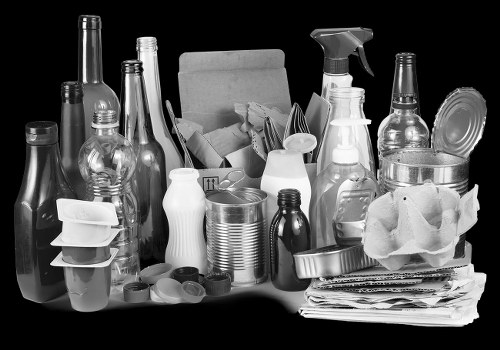
- Segregation of regular household rubbish from hazardous materials for safe disposal.
Operational Safety and Waste Handling
Safe operational practices for rubbish removal and flat clearance form the backbone of our on-site procedures. Manual handling is managed through training, appropriate mechanical aids and safe stacking practices to prevent slips, trips and falls. Vehicles used for clearance work are maintained to ensure load security, safe access and egress and correct waste containment. Crews are briefed on route planning to avoid overexertion and to minimise time spent carrying heavy items. Where necessary, mechanical assistance or additional personnel will be deployed to ensure safety for both operatives and residents.
 Environmental controls are integrated with health and safety measures. Waste segregation, recycling and responsible disposal reduce contamination and lessen manual handling risks associated with mixed loads. Hazardous items such as solvents, batteries or sharps are identified, isolated and handled following safe disposal protocols. The policy emphasises prompt containment of spills and proper labeling of hazardous loads. Clear procedures for contaminated material handling protect crews and waste processing partners while supporting compliant rubbish collection practices across the service area.
Site Procedures and Emergency Response
Every clearance site is established with clear access, defined work zones and emergency assembly points. Emergency procedures include first aid provision, fire response measures and access for emergency services. All employees receive basic first aid awareness and know how to raise an alarm. In the event of a serious incident, immediate steps include securing the area, providing first aid, contacting emergency services and initiating internal incident reporting. Regular drills and toolbox talks keep the team prepared and maintain high standards for incident control during all types of clearance operations.
Monitoring, Training and Continuous Improvement
Training and competence are essential for safe flat clearance and rubbish removal services. Training covers manual handling, safe use of equipment, waste classification and emergency procedures. Induction training is provided to new staff, supplemented by periodic refresher courses and on-the-job coaching. Performance is monitored through site inspections, recorded near-miss reporting and analysis of incidents. Audits and reviews identify improvement opportunities, and corrective actions are tracked to closure to ensure that lessons are learned and applied.
 Robust reporting and record-keeping support accountability and transparency. Everyone is encouraged to report hazards, unsafe acts and near misses without fear of reprisal so that we can intervene early and prevent harm. Investigations focus on root causes and practical corrective actions rather than attributing blame. Records of training, risk assessments, vehicle checks and equipment maintenance are retained to demonstrate compliance with our safety commitments and to support continuous service quality for customers seeking reliable rubbish services.
 Management at every level is committed to implementing this policy and to providing the necessary resources to maintain safe operations in flat clearance, home clearance and rubbish removal activities. The organisation undertakes regular management reviews of health and safety performance, sets measurable objectives and verifies that safety systems remain effective and proportionate to the risks. This policy is communicated to all staff and is available for reference to ensure consistent delivery of safe, compliant and efficient clearance services across our operational area.