Rubbish removal Lower Marsh Waterloo local guide
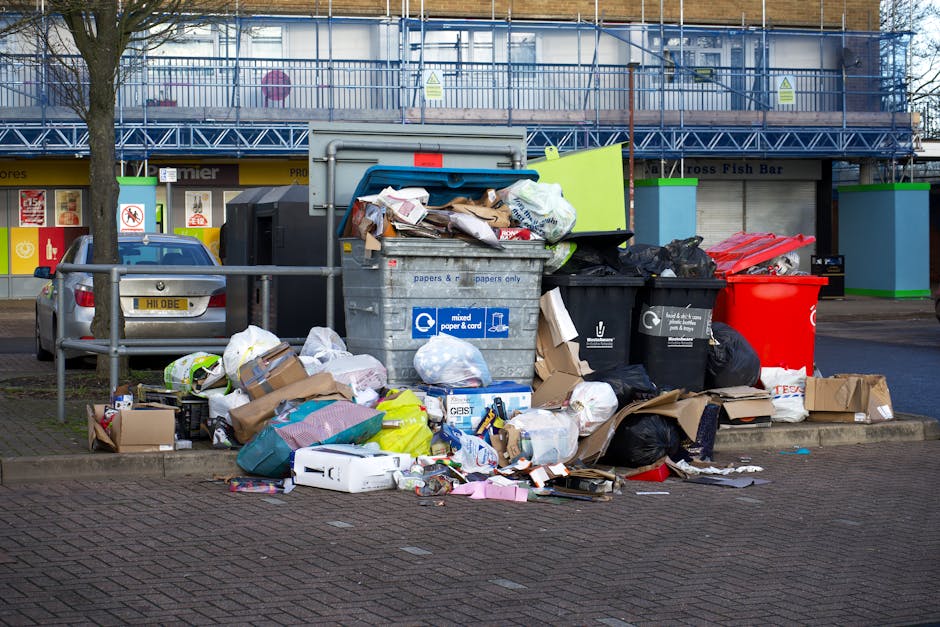
If you live, work, or manage a property near Lower Marsh, rubbish tends to build up faster than you expect. One bag turns into three. A broken chair sits in the hall for a week. Then suddenly the flat, shop, or office feels cluttered, awkward, and a bit embarrassing. This Rubbish removal Lower Marsh Waterloo local guide is here to make the whole thing simpler, with plain-English advice on what works, what to avoid, and how to choose a sensible local clearance option.
Lower Marsh has its own rhythm: busy streets, mixed-use buildings, narrow access points, and limited time for stopping and sorting. That means rubbish removal is rarely just a matter of "take it away." You usually need a plan. In this guide, you'll find a practical walkthrough of the process, the main benefits, a comparison of common methods, a realistic checklist, and a few expert pointers from day-to-day experience. Nothing fancy. Just useful guidance that helps you get the job done without fuss.
Why Rubbish removal Lower Marsh Waterloo local guide Matters
Lower Marsh sits in a part of Waterloo where space is precious and timing matters. That alone changes the way rubbish removal should be handled. If you're in a flat above a busy street, a basement storage room, a small office, or a shop near the station, waste builds up in places where it gets in the way quickly. It can block walkways, create trip hazards, and make everyday life more stressful than it needs to be.
There's also the practical side. Not all rubbish is equal. A few black bags are straightforward enough, but once you start dealing with bulky furniture, broken appliances, old office equipment, garden waste, or renovation debris, the job gets more complicated. You need to think about access, lifting, disposal routes, and whether any items need special handling. A proper local guide is valuable because it helps you match the clearance method to the actual job, not the fantasy version in your head.
To be fair, most people don't need a lecture on waste. They need the stuff gone. But a little planning saves time, avoids extra charges, and reduces the chance of a last-minute headache on collection day. That's especially true in Waterloo, where a rushed job can turn into a logistical mess very quickly.
Expert summary: the best rubbish removal approach in Lower Marsh is usually the one that balances access, speed, item type, and disposal responsibility. It should feel efficient, not chaotic.
How Rubbish removal Lower Marsh Waterloo local guide Works
In practical terms, rubbish removal is the process of collecting unwanted items, loading them safely, sorting what can be reused or recycled, and transporting the rest to an appropriate disposal facility. The exact method depends on the volume and type of waste. Some jobs are tiny and finish in minutes. Others need two people, a larger vehicle, and a careful plan for lifting from upper floors or tight stairwells.
For Lower Marsh and the surrounding Waterloo area, the workflow usually looks something like this:
- Identify the waste - separate general rubbish from bulky items, electrical goods, and anything potentially hazardous.
- Check access - narrow corridors, parking limits, lift access, and staircases all affect the job.
- Choose the right service - full clearance, furniture disposal, flat clearance, office clearance, or a broader waste removal option.
- Book a suitable slot - ideally one that works around residents, neighbours, business opening hours, or delivery schedules.
- Prepare the space - group items, protect surfaces if needed, and make sure the team can reach everything safely.
- Collection and loading - the crew removes the items, often sorting as they go to separate recyclables from general waste.
- Final disposal - items are taken away for responsible processing, reuse, recycling, or disposal as appropriate.
That might sound straightforward, and sometimes it is. But small details matter. A sofa that looks harmless in the living room can be a stubborn beast on a narrow staircase. An old fridge can be heavier than expected. And office clearances, well, they have a habit of revealing tangled cables, confidential papers, and random things you forgot were even there. Classic.
If you want to see the range of related services that can support different clearance jobs, it can help to look at waste removal options alongside more specific services such as flat clearance and office clearance.
Key Benefits and Practical Advantages
Rubbish removal done properly is about more than tidying up. It changes how a space feels and functions. You notice it immediately. The room breathes again. The floor becomes usable. The "I'll deal with that later" pile stops staring at you every time you walk past.
Here are the main benefits people usually care about:
- Speed: one trip can clear far more than you could manage with multiple small runs.
- Convenience: no need to hire a van, lift heavy items yourself, or waste an afternoon at a disposal site.
- Better space management: especially useful in flats, offices, and mixed-use properties where every square metre counts.
- Safer handling: bulky or awkward items are moved with the right technique rather than dragged downstairs by guesswork.
- Cleaner disposal route: items can be sorted for reuse, recycling, or responsible disposal.
- Less disruption: when arranged well, clearance is usually quicker and less stressful than DIY removal.
There's also a quieter benefit people don't always mention: peace of mind. Once the clutter is gone, you stop mentally carrying it around. That sounds a bit soft, maybe, but it's real. A clear room makes decisions easier. A clear hallway feels safer. Even the light seems better in the afternoon.
If you're dealing with furniture, appliances, or a room full of unwanted household items, the right service can make the job much easier. Related services like furniture clearance, furniture disposal, and fridge and appliance removal are often the most direct fit.
Who This Is For and When It Makes Sense
This guide is for anyone in or around Lower Marsh Waterloo who needs rubbish cleared without making a day of it. That includes residents, landlords, tenants, office managers, shop owners, property agents, and anyone dealing with a changeover or a clear-out. If you've got a busy week already, DIY clearance can become the one task that keeps slipping.
Common situations include:
- moving out of a flat and needing a final sweep of leftovers
- clearing a storage cupboard, loft, or garage
- getting rid of damaged or outdated furniture
- handling waste after minor works or decorating
- removing office furniture or old equipment
- dealing with a garden that has become more jungle than garden
For some people, the trigger is simple: the rubbish is in the way. For others, it's about compliance or presentation. A landlord may need a property turned over quickly. A business may want a cleaner working environment. A family may just want the spare room back. Fair enough, too.
If the job is mostly household clutter, home clearance or house clearance may be the better fit. If the issue is a single area like the attic, then loft clearance can be more efficient. For smaller, mixed jobs, a flexible waste removal service may be enough.
Step-by-Step Guidance
Here's a simple way to approach rubbish removal in Lower Marsh without overthinking it.
1. Start with a room-by-room sort
Don't just stare at the whole mess and sigh. Break it down. Kitchen, bedroom, hallway, storage area. Group similar items together so you can see what needs to go. That makes the job feel smaller and, crucially, more manageable.
2. Separate what should stay from what should leave
This is the bit where people often stall. Keep it moving. Ask yourself: do I use this? Does it work? Would I actually buy it again today? If the answer is no, it probably belongs in the clearance pile.
3. Watch for special items
Some waste needs more care than standard rubbish. Appliances, electronic waste, and potentially hazardous materials should be identified early. If you are unsure, err on the cautious side. A mixed pile with one awkward item can complicate the whole collection.
4. Measure access points
It's boring, but useful. Check lift width, stair turns, doorway size, and where a vehicle can reasonably stop. In Waterloo, access can be the difference between a smooth visit and a frustrating one.
5. Prepare for collection day
Move smaller loose items into one place if you can. Keep doors open if safe to do so. Clear a route. If you live in a shared building, let neighbours know if the removal may affect the hallway for a short time. A small courtesy goes a long way.
6. Ask about sorting and disposal
A professional job should involve more than just loading everything and hoping for the best. Items may be sorted for reuse, recycling, or proper waste disposal depending on condition and category. If sustainability matters to you, ask how that is handled. It is a fair question.
7. Review the space afterwards
Once the clearance is complete, take a minute. Check corners, cupboards, and behind larger items. It's always the same: the one thing you meant to remove sometimes ends up hiding in the least obvious place. Human nature, apparently.
Expert Tips for Better Results
After enough clearances, a few patterns become obvious. First, the smoother jobs are the ones where the customer has done a little sorting before the crew arrives. Nothing dramatic. Just enough to remove uncertainty. If every item is already gathered and easy to access, the whole process tends to run better.
Second, be realistic about what you want removed. If the job includes a sofa, mattress, broken wardrobe, and a pile of old boxes, say so up front. It's not about oversharing. It's about avoiding surprises on the day. Surprises are charming in some situations. Not this one.
Third, think about timing. In a place like Lower Marsh, morning or mid-afternoon slots may work better than peak commuter times, depending on access and traffic. You do not want to find yourself trying to manoeuvre a bulky item while everyone else is rushing somewhere. That's a short route to stress.
Other practical tips:
- photograph the items before booking so you can describe them accurately
- group similar items together by room or type
- keep anything you may want to donate, resell, or keep completely separate
- check whether any item needs two-person lifting
- if the property is managed, confirm access arrangements in advance
If the rubbish is mainly bulky household items, related pages such as mattress and sofa disposal or garage clearance may give you a better sense of the most suitable route.
Common Mistakes to Avoid
The most common mistake is waiting until the job is urgent. Then everything becomes more expensive in time, if not money. A better approach is to clear the easy stuff first and plan the awkward stuff before it grows legs.
Another frequent issue is mixing general rubbish with items that need special handling. A bag of old papers is one thing. A broken fridge or unknown chemical container is another. Mixing them can delay the job and create unnecessary risk.
People also underestimate access. A room may look simple enough until someone tries to turn a bulky item around a tight corner. At that point, you realise the staircase was the real problem all along. Not the item.
Watch out for these mistakes:
- booking without listing all the items
- forgetting about parking or loading access
- assuming all waste can be handled the same way
- leaving sorting until the crew arrives
- choosing a method that is too large, too small, or simply wrong for the job
If the clear-out is business-related, it can also help to review business waste removal in advance, especially where paperwork, equipment, or office furniture is involved.
Tools, Resources and Recommendations
You do not need much equipment to prepare for rubbish removal, but a few basics help. Strong bin bags, a marker pen, gloves, tape, and a phone camera are usually enough for most household jobs. For heavier or bigger items, use common sense and avoid trying to be heroic. Let's face it, a bruised back is a terrible trade for saving ten minutes.
Useful things to have ready:
- bin bags or boxes for small loose items
- labels or notes for anything staying behind
- a tape measure for access points and bulky furniture
- phone photos for quoting or planning
- gloves if you are sorting dusty storage areas
- basic cleaning supplies for a final wipe-down after clearance
There are also a few website pages that can help you decide what route suits your job. For example, if you're comparing clearance methods, the pricing and quotes page can help you think through cost and scope. If sustainability matters, the recycling and sustainability page is a useful companion read.
And if you're preparing for a more structured collection, it may help to check what can go in a skip. Even if you are not using a skip, the thinking is similar: knowing what is accepted saves time and avoids awkward last-minute sorting.
Law, Compliance, Standards, and Best Practice
Waste removal in the UK carries real responsibilities, especially where business waste, bulky items, electrical goods, or potentially hazardous materials are involved. The exact legal detail depends on the waste type and who produced it, so it is wise not to guess. A careful, best-practice approach is always safer than assuming everything can simply be tipped together.
For residential customers, the main concern is choosing a provider and process that handles waste responsibly. For businesses, the expectations are tighter. You want clear sorting, traceability where appropriate, and a service that respects confidentiality, safety, and environmental handling. That can matter a lot in offices, clinics, shops, and managed buildings.
Best practice usually includes:
- separating general waste from recyclable materials where practical
- identifying electrical items and appliances early
- keeping hazardous or uncertain materials apart until reviewed
- using proper lifting and loading methods to reduce injury risk
- making sure documentation, access, and payment terms are understood before collection
If you want a better sense of the standards behind safe operations, related pages such as health and safety policy and insurance and safety are useful indicators of the sort of care a professional service should take seriously. For items like chemicals, paints, or other difficult materials, hazardous waste disposal should be considered carefully rather than improvised.
Options, Methods, and Comparison Table
Not every rubbish job needs the same solution. The right choice depends on how much you have, how awkward it is, and how quickly you need the space cleared. Here's a simple comparison to help.
| Method | Best for | Pros | Limitations |
|---|---|---|---|
| DIY disposal | Very small amounts of rubbish | Low direct cost if you already have transport | Time-consuming, lifting risk, parking and access hassle |
| Skip hire | Ongoing work or larger loads | Useful for larger volumes, flexible fill time | Needs space for placement; you still do the loading |
| Man-and-van style collection | Bulky items, mixed household waste, quick turnarounds | Fast, less lifting for you, convenient for flats and offices | Needs clear description of items and access details |
| Specialist clearance | Large property clearances, office moves, furniture-heavy jobs | More structured, better for complex or multi-room work | May not be necessary for small, simple jobs |
In many Lower Marsh situations, the man-and-van style option or a targeted clearance service is the sweet spot. It's usually quicker than a skip if access is awkward, and less effort than handling everything yourself. For a flat with stairs, that difference matters quite a lot.
If you are dealing with rooms full of mixed contents, you may find flat clearance or home clearance more appropriate than a one-off bulky item pickup. For larger domestic clean-outs, house clearance is often the better route.
Case Study or Real-World Example
Here's a realistic scenario. A small two-bedroom flat near Lower Marsh has a broken wardrobe, an old mattress, several boxes of mixed household clutter, and a fridge that stopped working a while ago and has been quietly taking up space in the corner. The residents have a busy week, limited storage, and no desire to hire a van or spend a Saturday doing multiple trips.
The sensible move is to sort items into categories before collection: furniture, appliance, loose rubbish, and anything that should stay. Then they measure the hallway and confirm that access is clear. They also check whether the fridge can be removed safely without damage to walls or flooring. Simple enough, but it makes the day smoother.
On collection day, the team handles the heavy lifting, removes the bulky items first, and clears the smaller bags afterwards. The room changes shape almost immediately. You can see the floor again. The corners look wider. The flat feels calmer.
What made the difference? Not magic. Just preparation, clear communication, and choosing the right kind of service for a mixed, awkward job. That's usually how it goes.
Practical Checklist
Use this checklist before arranging rubbish removal in Lower Marsh Waterloo:
- Have I sorted what is going and what is staying?
- Do I know which items are bulky, fragile, or special handling?
- Have I measured doors, stair turns, lifts, and any tight access points?
- Have I grouped items so they are easy to collect?
- Do I need a service for furniture, appliances, office items, or general waste?
- Have I checked whether any item is hazardous or uncertain?
- Is the collection time suitable for neighbours, tenants, or business hours?
- Have I taken photos if I need a quote or clearer planning?
- Do I know what should happen to recyclables, reusable items, and leftover waste?
- Am I prepared for the space to be cleared properly afterwards?
If you tick most of those boxes, you are already ahead of the game. Honestly, half the stress disappears once the items are organised and the access is understood.
Get a free quote today and see how much you can save.
Conclusion
Rubbish removal in Lower Marsh Waterloo is less about brute force and more about good judgement. The best result is tidy, safe, efficient, and appropriate for the space you're dealing with. Whether you are clearing a flat, removing old furniture, sorting office clutter, or dealing with a mix of awkward household waste, the right approach saves time and keeps the whole job under control.
If you take one thing from this guide, let it be this: plan the clearance around the space, the access, and the type of waste, not just the fact that you want it gone. That one shift makes a big difference. And once the clutter is out, the room feels lighter. You feel lighter too, usually. Not a bad outcome for a day's work.
Frequently Asked Questions
What is the best rubbish removal option for a flat in Lower Marsh Waterloo?
For many flats, a direct clearance service is easier than DIY disposal or skip hire because access is often tight and you may not want to handle lifting yourself. If the job includes furniture or mixed items, a flat clearance or waste removal option is usually the most practical.
How do I know if I need furniture clearance or general rubbish removal?
If most of the load is sofas, beds, wardrobes, tables, or other large pieces, furniture-focused clearance makes sense. If the items are mixed, smaller, and not limited to furniture, general waste removal may be enough. A quick list of items usually makes the answer obvious.
Can I get rid of appliances like fridges and washing machines?
Yes, but appliances should be handled carefully because they are heavy and sometimes need specific disposal handling. Fridge and appliance removal is a better fit than trying to move them yourself if access is awkward or the item is particularly bulky.
Is rubbish removal suitable for office clear-outs?
Yes. Office clearances often involve desks, chairs, filing, packaging, and electronic equipment. If paper records or confidential material are involved, it is wise to separate them and consider confidential shredding where needed.
How should I prepare before the collection team arrives?
Sort items into keep and remove piles, clear access routes, and take photos if helpful. If possible, identify any heavy or awkward pieces in advance. A little prep saves a surprising amount of time.
What happens to the items after collection?
That depends on the type and condition of the items. Some may be suitable for reuse or recycling, while others will need disposal. A responsible service should sort and handle items appropriately rather than sending everything down the same route.
Is rubbish removal better than skip hire in a busy area like Waterloo?
Often, yes, especially where access is limited or you want the loading handled for you. Skip hire can work well for ongoing projects, but in tight urban settings it is not always the easiest option. It really depends on the job.
Do I need to worry about hazardous waste?
If you have chemicals, paints, gas bottles, or other uncertain materials, do not mix them into standard rubbish. Hazardous waste disposal should be treated separately and with care. When in doubt, stop and check before loading.
How can I make sure the clearance is environmentally responsible?
Ask how items are sorted and what happens to recyclable materials. Choosing a provider with a clear recycling and sustainability approach is a sensible step. Even small jobs can be handled better when sorting is part of the process.
Can I use this guide for house clearance as well as rubbish removal?
Yes. The same planning principles apply: sort the items, check access, decide what needs specialist handling, and choose the right service size. For bigger residential jobs, house clearance or home clearance may be a better fit than general rubbish removal alone.
What should I avoid doing on collection day?
Avoid leaving items scattered around the property, mixing special waste with general rubbish, or assuming access will be easy without checking it first. Also, don't leave the awkward item no one mentioned until the last minute. That one always causes a delay.
How do I choose a trustworthy local service?
Look for clear service descriptions, sensible pricing information, and useful pages that explain safety, payment, and disposal standards. If you want to learn more about the company behind the service, the about us page is a good place to start, and the pricing and quotes page can help you understand what to expect before booking.